A structured program for high-rise residential buildings in Argentina. We diagnose entry points, apply treatments matched to each pest type, seal ducts and waste chutes, and coordinate prevention schedules with building administration.
We work on a calendar basis with your administration team — prevention rounds, follow-up inspections, and documentation included.
Each building gets a documented technical program. We assess the structure, identify vulnerabilities, and apply targeted treatments — then return on schedule to maintain results.
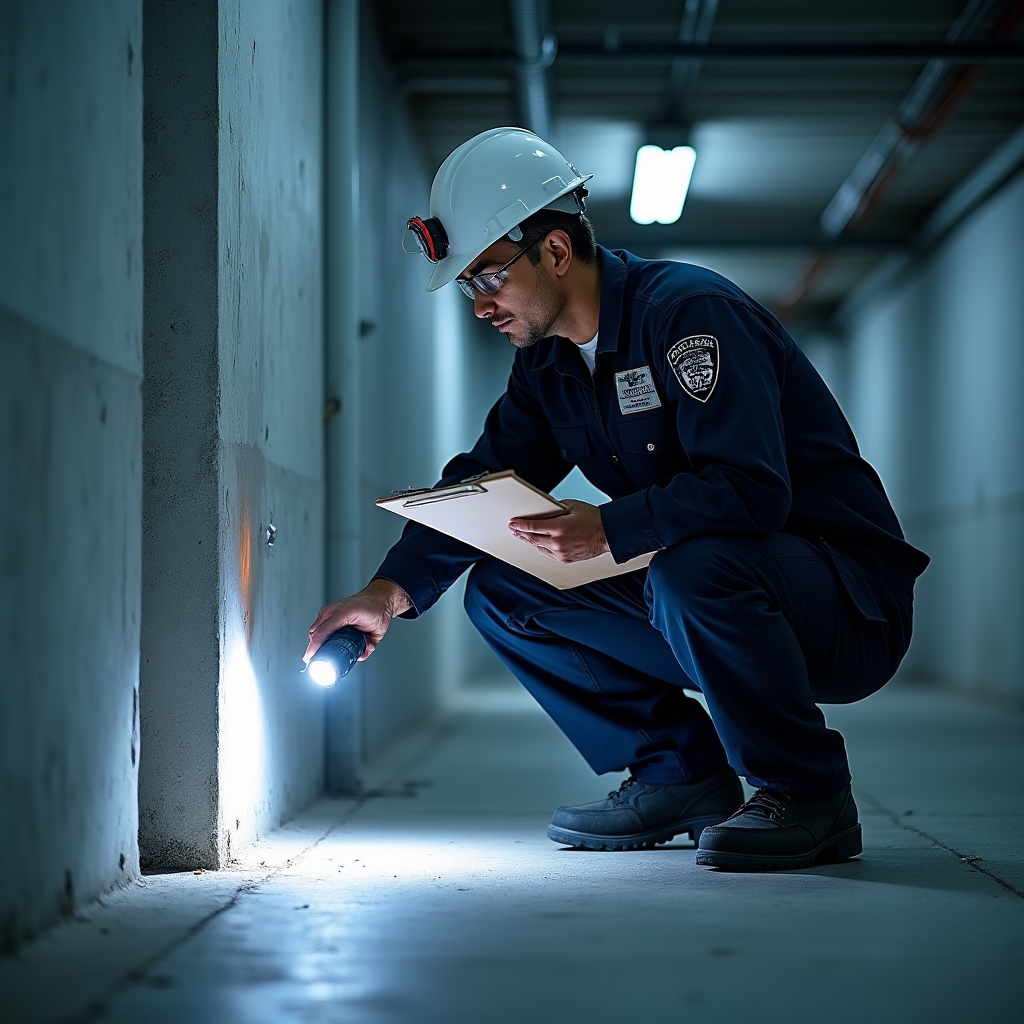
We map every structural gap, pipe penetration, utility conduit, and waste chute connection that can allow pest access into the building envelope.

Cockroaches, rodents, ants, and stored-product insects each require different approaches. We apply the right method in the right location — not a generic spray across all surfaces.
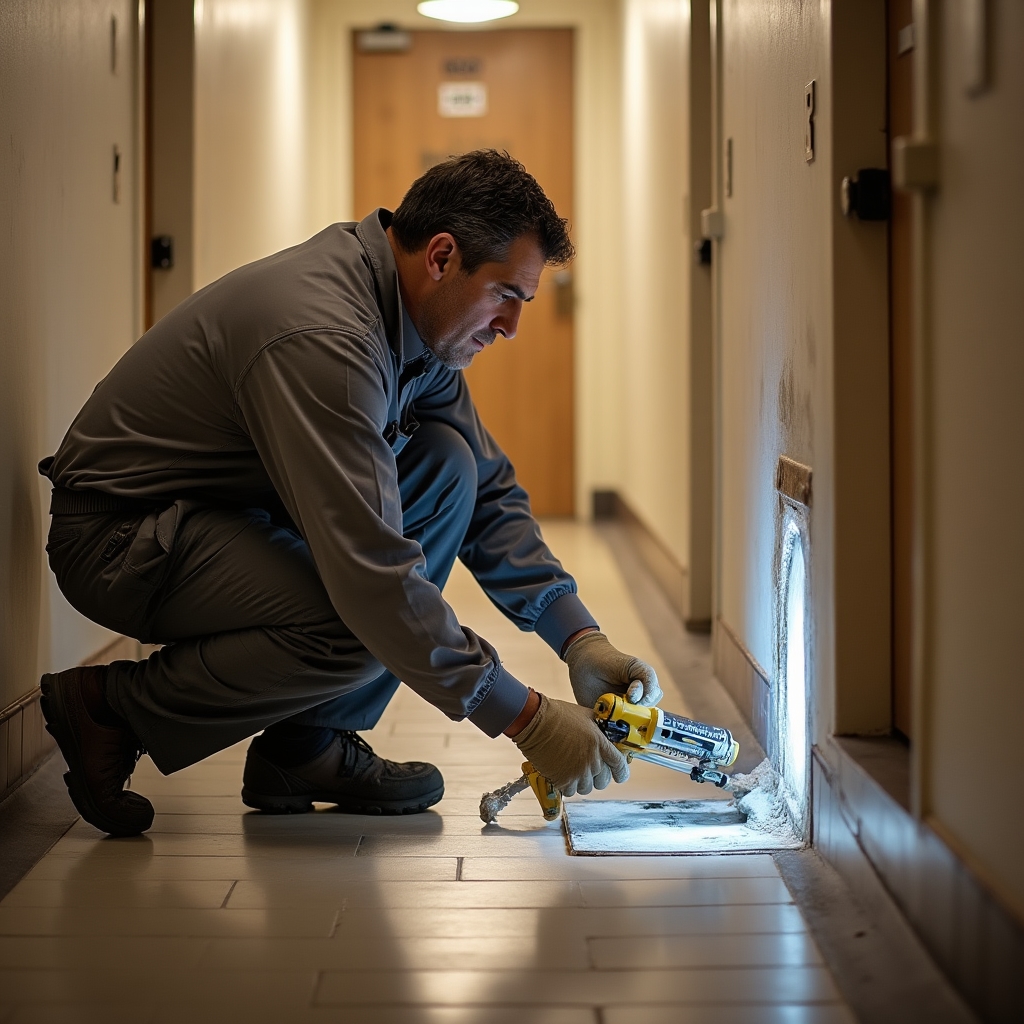
Waste chutes, ventilation ducts, and utility shafts are primary pest highways in multi-story buildings. We seal and treat these routes as part of every program.

A standard fumigation service treats visible surfaces. Our program works differently — we treat the building as a system, not a collection of apartments.
Before any treatment, we document the building's pest risk profile: access points, activity zones, and contributing factors like waste management practices.
Each pest species and each zone in the building receives a protocol suited to its characteristics — not the same product applied everywhere.
We work directly with building managers to schedule applications around residents' routines — avoiding assemblies, move-in days, and high-traffic periods.
Every visit generates a technical record — products used, areas treated, and observations — available to the administration for compliance and record-keeping.
High-rise buildings face a distinct set of pest pressures. We work with the species most common in Argentine urban residential environments.
German & American species, common in kitchens and waste areas
Rats and mice entering through ground-level gaps and utility penetrations
Trailing colonies that exploit wall cavities and pipe runs
Breeding sites in terraces, planters, and drainage systems
Grain beetles and moths in utility areas and storage rooms
Including venomous species found in basements and parking levels
We follow a structured sequence for every building we work with. Here is what that looks like in practice.
We meet with the building administration to understand the property — number of floors, current pest activity, waste management setup, and any previous treatment history.
A technician inspects the building — common areas, basement, roof, waste room, ducts, and utility shafts — to identify active infestations and structural vulnerabilities.
We prepare a written program specifying treatments by zone, products to be used, application methods, and a proposed schedule coordinated with administration.
Applications are carried out by certified personnel using registered products. Common areas are treated without requiring residents to vacate unless specifically indicated.
Where gaps and penetrations are identified, we apply appropriate sealants and physical barriers to reduce future pest access — a step most standard services skip entirely.
We return on the agreed calendar — monthly, bimonthly, or quarterly — to inspect, monitor, and apply preventive treatments before infestations can establish.
Send us the basic details about your property and we will explain what a technical program would look like for your specific situation — no obligation.