Chemical Treatment Alone Is Not Enough
Pest control products address active infestations. But if the structural gaps, unsealed ducts, and deteriorated chutes that allow pest entry remain open, new populations will establish. Improvement works close those routes.

Waste Chute Treatment and Sealing
Waste chutes in multi-story buildings accumulate organic material and moisture — ideal conditions for cockroaches and rodents. We treat the interior surfaces of chutes with appropriate products and seal gaps at each floor connection point. Where chute covers or access hatches are damaged, we document this for the administration's attention.
This is one of the most impactful interventions in a tall building because the chute connects every floor. An untreated chute can redistribute pests from one level to another regardless of what is done in individual apartments.
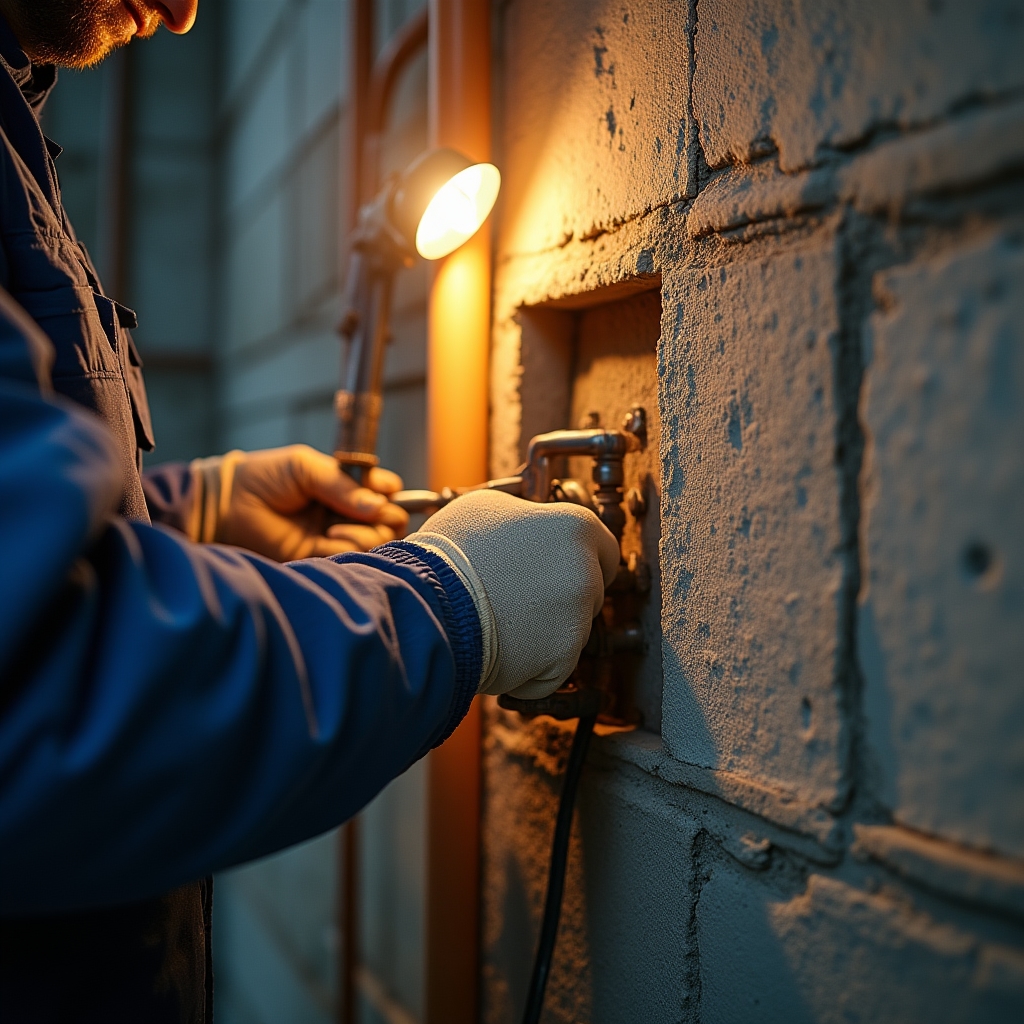
Pipe Penetration and Gap Sealing
Every point where a pipe, cable, or conduit passes through a wall or floor is a potential pest entry point. In older buildings especially, these penetrations are often incompletely sealed or the original sealant has deteriorated over time.
We identify these gaps during the diagnostic phase and seal them using materials appropriate to the location — fire-rated where required, waterproof where exposed to moisture. The goal is to eliminate the gap, not cover it cosmetically.
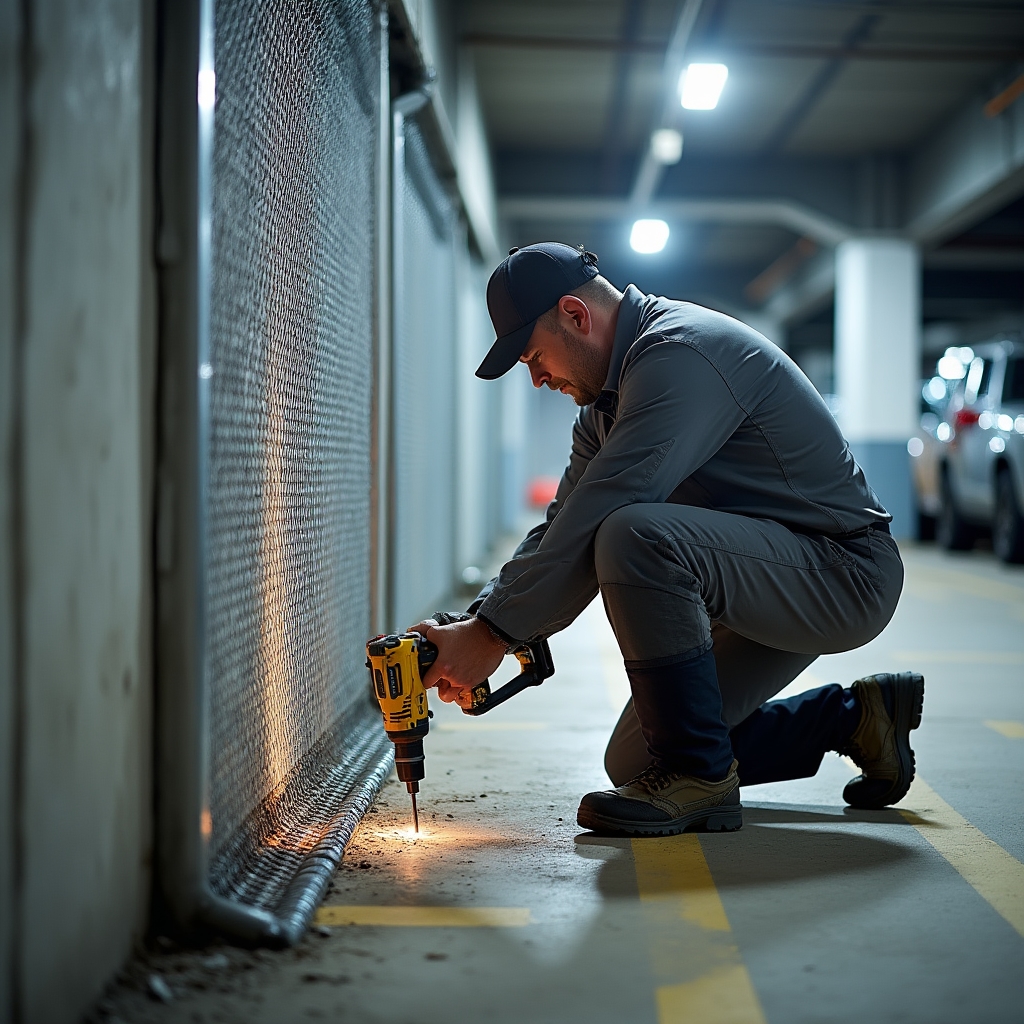
Ground-Level Barrier Installation
The basement, parking level, and ground-floor perimeter are where most rodent entry occurs. We identify the specific points — gaps under doors, deteriorated threshold seals, utility entry points — and address each one with appropriate physical barriers.
This includes door sweeps where gaps exceed the threshold for rodent entry, mesh installation over open vents, and sealant application at foundation-level penetrations. Physical barriers work continuously, unlike chemical treatments that require periodic renewal.
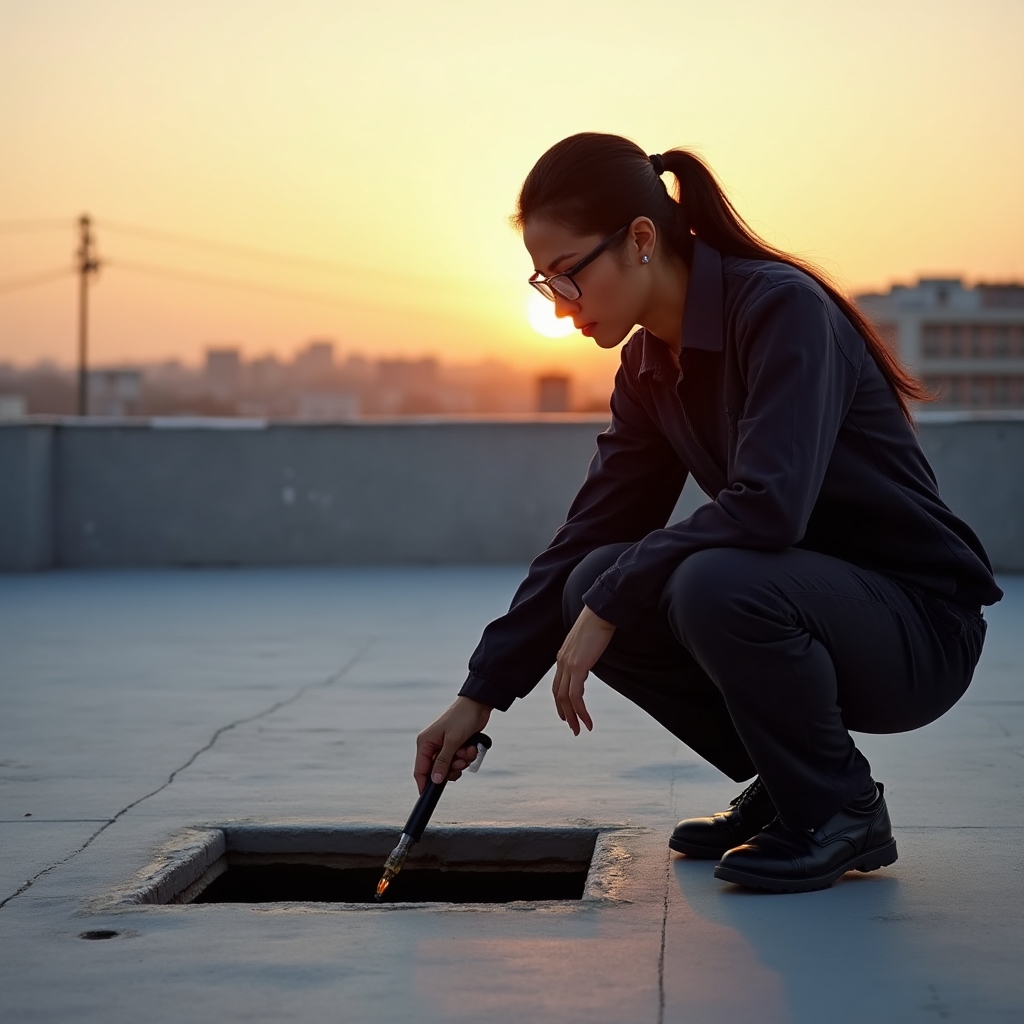
Drainage and Standing Water Management
Flat roofs, terraces, and drainage systems in multi-story buildings frequently accumulate standing water — the primary breeding environment for mosquitoes. We inspect all drainage points and identify where water accumulates due to blocked or inadequately sloped drains.
Where the administration has authority to act, we recommend specific remediation. Where we can apply larvicide treatments to existing standing water, we do so as part of the program. The documentation we provide gives the administration a clear record of which drainage issues require maintenance attention.
What the Administration Receives
Gap Inventory
A documented list of every identified structural gap, unsealed penetration, and deteriorated barrier — with location, description, and recommended remediation for each.
Works Report
After each structural intervention, we provide a written record of what was sealed, what products or materials were used, and which gaps remain pending maintenance by the building's own team.
Follow-Up Inspection
Structural sealing degrades over time. Our scheduled visits include a check of previously sealed points to confirm integrity and re-apply sealant where needed.